
Culebra lies about 27 kilometres east of the main island of Puerto Rico, between it and the Virgin Islands. It is small, around 11 kilometres long, with steep, dry hills, deep bays and a coastline of beaches and reefs. Fewer than two thousand people live there, most of them in the one town, Dewey, which locals often just call the town. Life is slow, the pace is set by the ferry and the weather, and that is exactly why people come.
Flamenco Beach
Flamenco Beach, on the north side of the island, is a long horseshoe of white sand around a sheltered bay of clear blue water. It regularly appears on lists of the world's best beaches. The bay is protected by reefs and headlands, and on most days the water is calm enough for an easy swim.
At one end of the beach, two old military tanks sit rusting in the sand, covered in colourful graffiti. They are a reminder that for much of the 20th century the United States Navy used Culebra for gunnery and bombing practice. Protests by islanders and supporters on the main island led the Navy to end its use of Culebra in 1975, and much of the former military land later became part of the wildlife refuge. Unexploded ordnance has been cleared from many areas, but signs warn visitors to stay out of some places; respect them.
Life is slow, the pace is set by the ferry and the weather, and that is exactly why people come.
Dewey and the island roads
Dewey sits around a small harbour where the ferry docks, with a drawbridge over a narrow canal, small houses in bright colours and a handful of shops and places to eat. It takes only a few minutes to walk across. Beyond the town, roads climb over the hills to the beaches and bays. Many visitors rent a golf cart or jeep to get around, though cars from the main island are often not allowed on the passenger ferry, and the cargo ferry has limited space. Public vans run to Flamenco from near the ferry dock.
ALSO ON THIS STRETCH OF WATERCulebrita: the lighthouse islandTurtles at Tamarindo
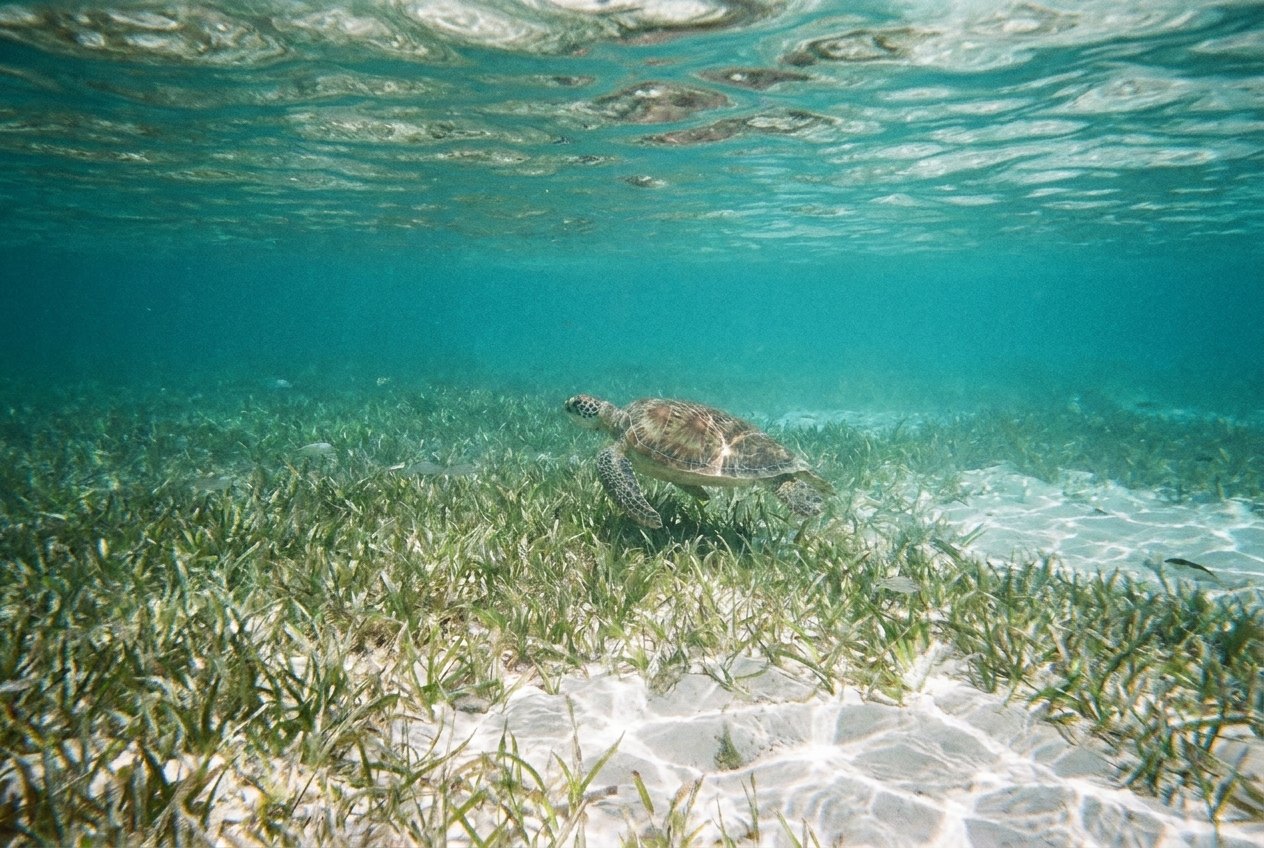
On the west side of the island, Tamarindo Beach and the nearby Melones area face the Luis Peña channel, a protected marine reserve. Seagrass beds just offshore attract green sea turtles, and snorkelling here often brings close encounters as they graze. Keep a respectful distance, never touch or chase them, and let them come up to breathe without crowding them. Another excellent snorkelling beach is Carlos Rosario, reached on foot from the Flamenco area, with a reef close to shore.
The wildlife refuge
Much of Culebra and its small offshore islands belongs to the Culebra National Wildlife Refuge, one of the oldest wildlife refuges in the United States, first protected in the early 20th century. It shelters seabird colonies, nesting sea turtles, including leatherbacks, and dry forest. Some beaches have seasonal restrictions to protect nesting turtles; check signs before you go onto the sand at night.
- Book ferries or flights ahead in busy seasons and on holidays. See our notes on getting to Culebra and Vieques.
- Bring cash: there are few cash machines, and they can run out.
- Fresh water and supplies are limited; carry what you need for beach days.
- The island is dry and hot; bring sun protection and water everywhere.
For snorkelling tips and other spots, see our notes on snorkelling the east coast.