
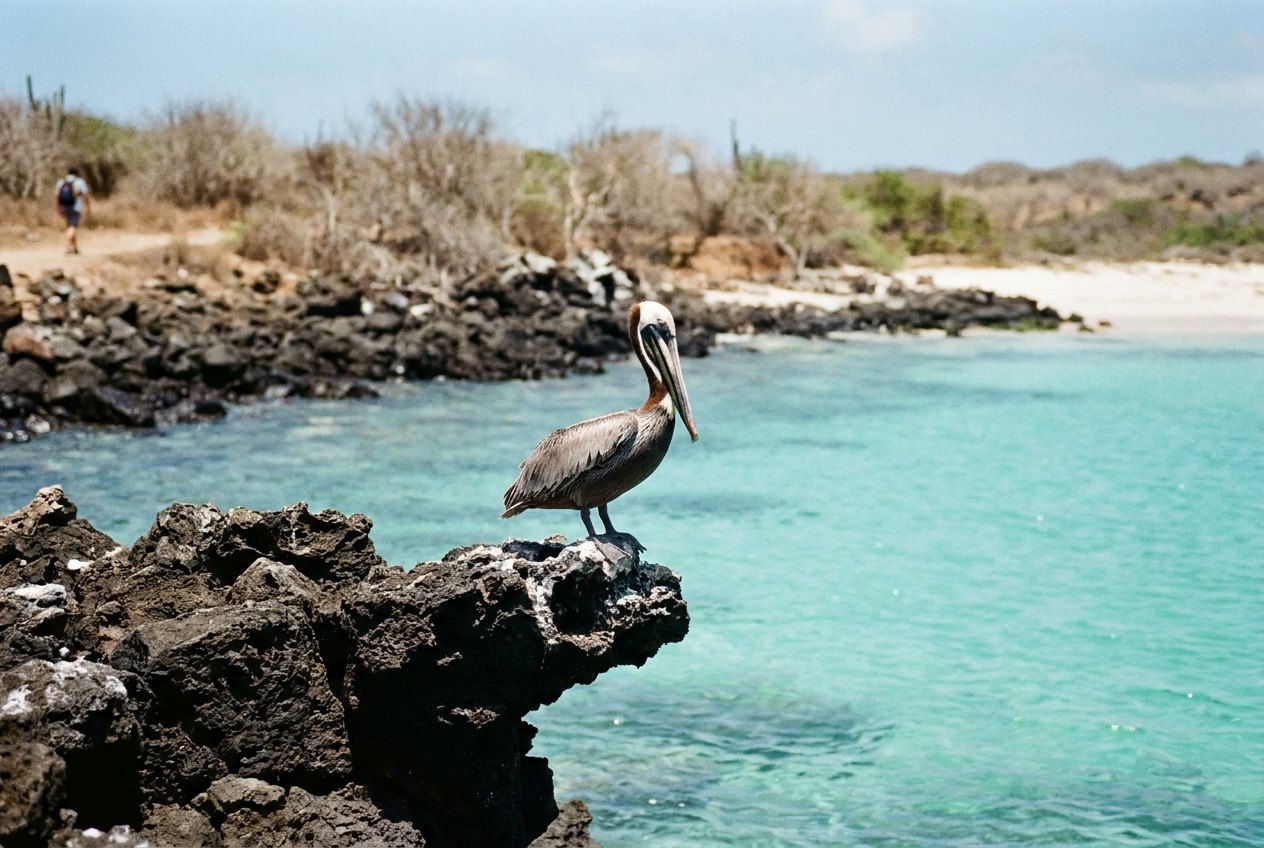
Culebrita is a small, uninhabited island a short distance east of Culebra. It belongs to the Culebra National Wildlife Refuge, and apart from the ruins of a lighthouse it has no buildings, no roads and no services. Visitors come by water taxi or kayak for its beaches, its tide pools and the view from its hilltop. It is one of the most beautiful places in the Spanish Virgin Islands, the name sometimes given to Culebra, Vieques and their smaller neighbours.
Tortuga Beach
The main landing is at Tortuga Beach, on the north side of the island, a curve of white sand around a sheltered bay of clear, turquoise water. As the name suggests, sea turtles are often seen in the bay, grazing on the seagrass and coming up to breathe. Swimming and snorkelling here can be excellent in calm weather. Boats anchor offshore and visitors wade or swim in.
The lighthouse
A path climbs from the beaches up through dry scrub to the old lighthouse on the island's highest point. It was built in the 1880s, under Spanish rule, and was one of the oldest working lighthouses in the Caribbean until it was replaced by an automated light. The building has been badly damaged by time and storms, and visitors should not enter the ruins. The reward for the climb is the view: across to Culebra, out to St Thomas and the other Virgin Islands to the east, and down to the beaches and reefs below.
The path is short but rough and exposed. Wear proper footwear rather than flip-flops, carry water, and avoid the middle of the day if you can.
ALSO ON THIS STRETCH OF WATERCulebra and Flamenco BeachThe baths
On the northern shore, a short walk from Tortuga Beach, waves break over a ridge of rock into a series of natural pools, often called the baths or the jacuzzis. On calm days, sitting in them as the water washes in is a popular part of a visit. On days with a northern swell, they become dangerous: waves can break over the rocks with great force and drag people out. Look carefully before going in, and stay out if the sea is rough.
Water taxis from Culebra run trips to Culebrita, usually dropping visitors at Tortuga Beach in the morning and collecting them later. Agree the pick-up time clearly. Experienced kayakers also paddle across from Culebra's east coast, but the open water can be choppy and the currents strong; it is not a trip for beginners. Private boats anchor in the bay, especially at weekends.
Leave no trace
Because the island is a wildlife refuge with no services, take out everything you bring. There are no bins, toilets or shade structures. Some areas are closed to protect nesting seabirds and turtles; follow the signs. Camping is not permitted.
Culebrita makes a perfect day from Culebra, but it is part of a bigger picture: the reserves and refuges that protect most of the small islands east of Puerto Rico. For the cayes closer to the main island, see Icacos and La Cordillera, and for snorkelling across the region, our notes on the east coast's reefs.