
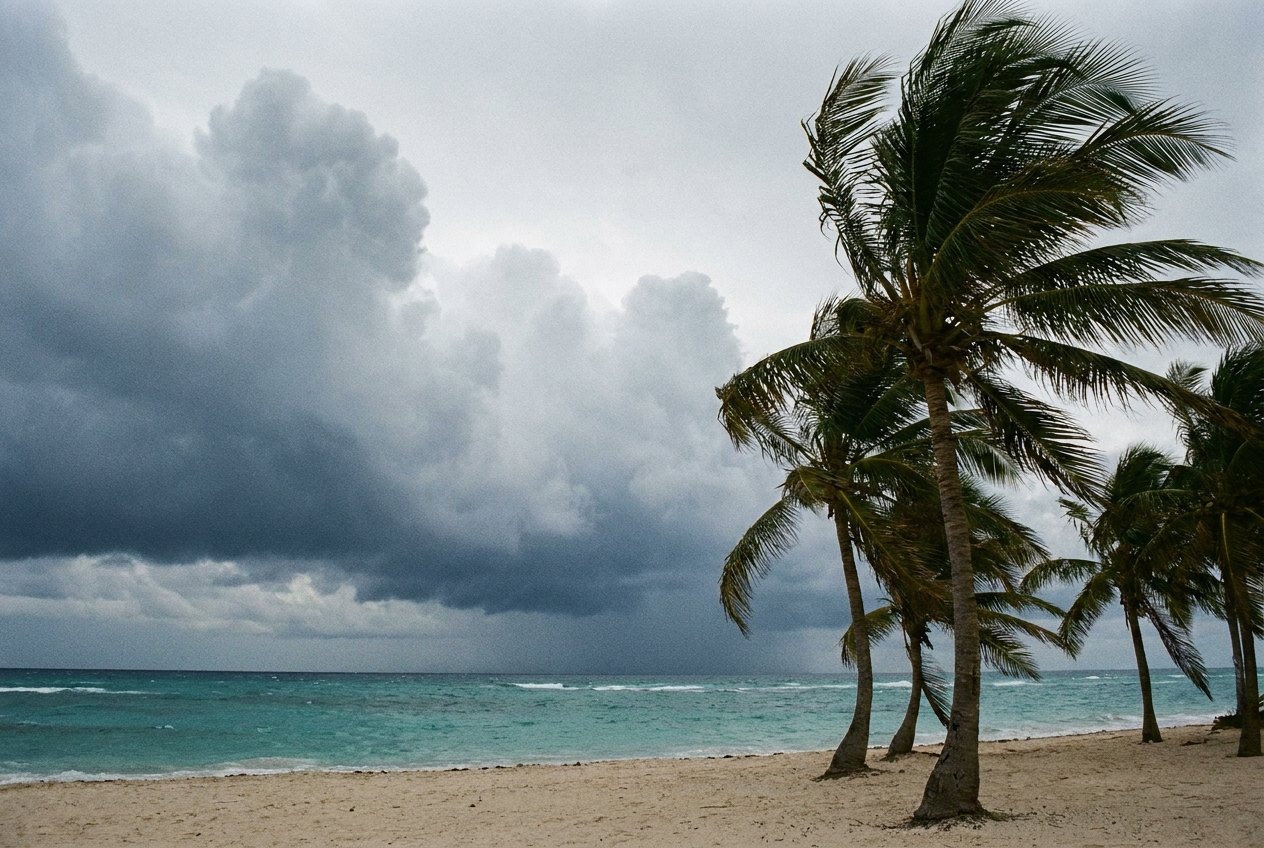
The Atlantic hurricane season runs officially from the beginning of June to the end of November, with the most activity usually between August and October. Puerto Rico lies in the path of many storms that form off Africa and cross the Atlantic, and the island's east coast, facing the open sea, is often the first part of the island to feel them. Most of the season is calm, with hot days and afternoon showers, but every few years a serious storm reminds everyone why the season matters.
Maria and Fiona
In September 2017, Hurricane Irma passed to the north of the island, followed two weeks later by Hurricane Maria, which made landfall in the south-east as a powerful storm and crossed the whole island. Maria caused catastrophic damage, destroyed much of the power grid and left many communities without electricity and water for months. Thousands of deaths were later attributed to the storm and its aftermath. Along the east coast, marinas suffered heavy damage, with boats torn from their moorings and piled onto each other and the shore.
In September 2022, Hurricane Fiona brought extreme rainfall and flooding, especially in the south and centre of the island, and again knocked out power across Puerto Rico. Both storms shaped how residents, businesses and boat owners prepare today.
ALSO ON THIS STRETCH OF WATERLife on a moored boat for a weekHow boats and marinas prepare
For boat owners, the season brings hard choices. Some move their boats south, out of the main hurricane belt, for the summer. Others haul them out of the water and secure them on land, tied down on stands. Boats that stay in the water are given extra lines, chafe protection and, where possible, moved to the most sheltered berths or to hurricane holes, mangrove-lined bays where boats are traditionally tied among the trees. Many marinas have hurricane plans that require owners to act when a storm approaches. Insurance policies often set conditions for where a boat may be during the season.
For visitors
Travelling during the season is perfectly possible, and prices are often lower, but planning helps:
- Book refundable or flexible accommodation and flights where you can.
- Buy travel insurance that covers trip interruption due to storms, and read what it covers.
- Follow official forecasts from the National Hurricane Center and local authorities during your trip.
- If a storm threatens, follow official instructions and leave the islands early, since ferries and flights stop before the weather arrives.
- Keep a power bank, a torch, some cash and copies of documents ready.
Before and after the storm
Storms affect the sea long before and after they pass. Swell can close beaches and cancel ferries and boat trips for days, even when the storm itself misses the island. After a storm, services may take time to return to normal. Being patient, flexible and respectful of communities dealing with damage matters.
The calmest months for a trip focused on the water are usually December to May. For boat life in quieter times, see life on a moored boat, and for crossings to the islands, the ferries and small planes.